Wafer probe stations
Wafer probe stations for research labs
Compare brochure-confirmed manual, semi-automatic, automatic, and fully automatic systems, then follow the application path that matches your measurement.
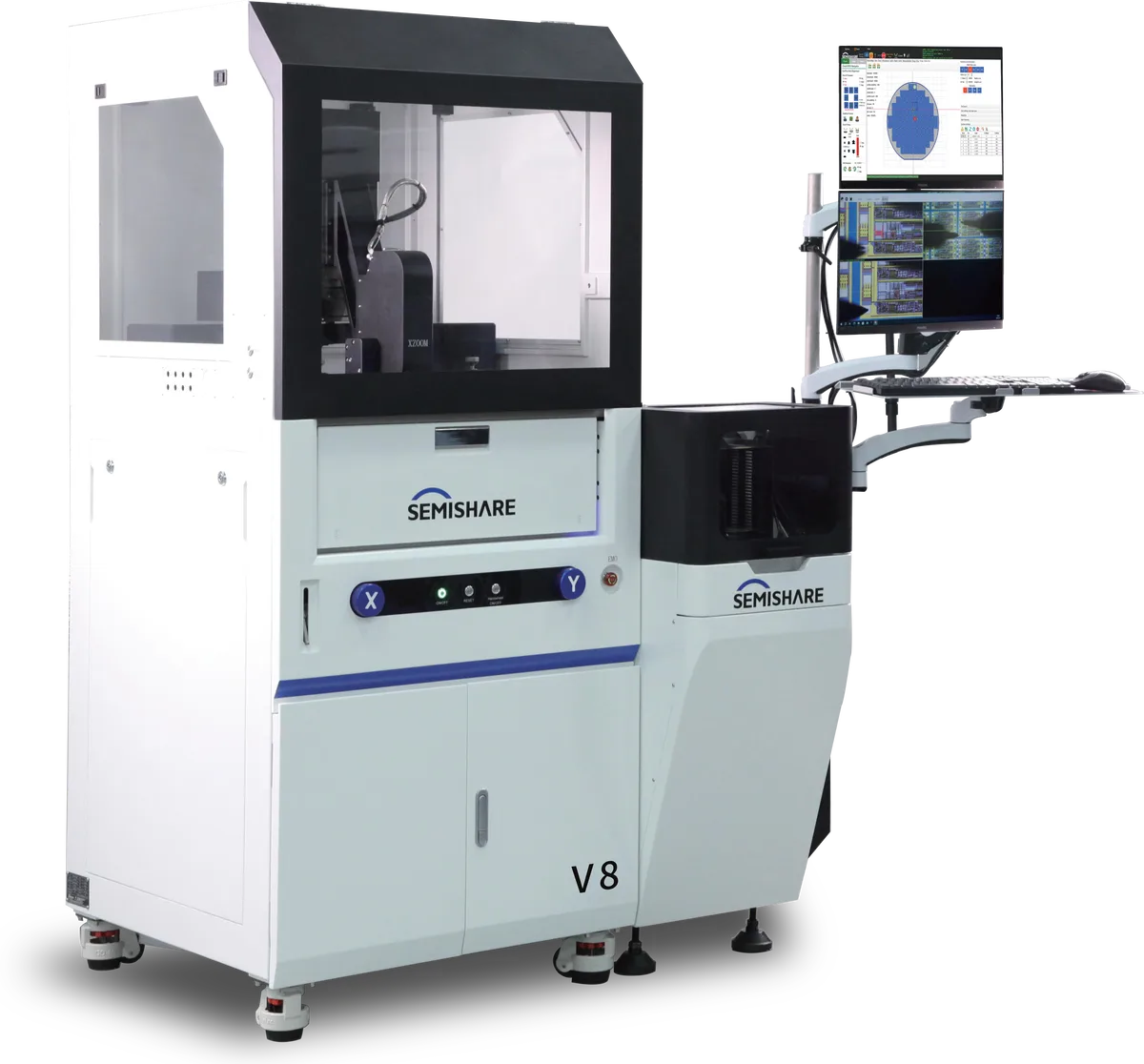
Automation families
Choose the level of positioning and wafer-map automation
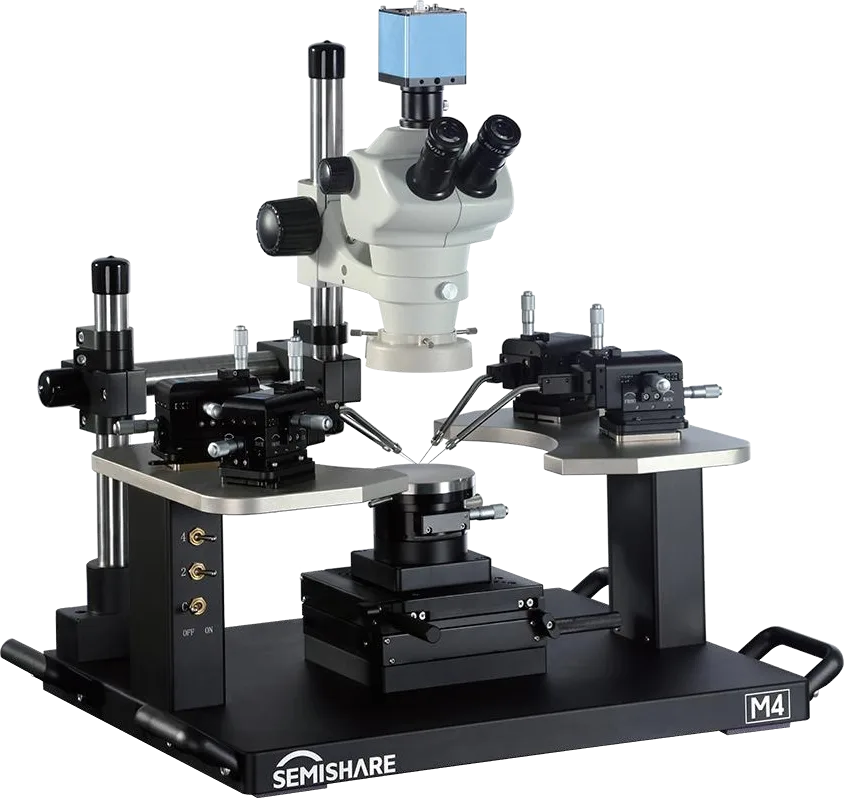
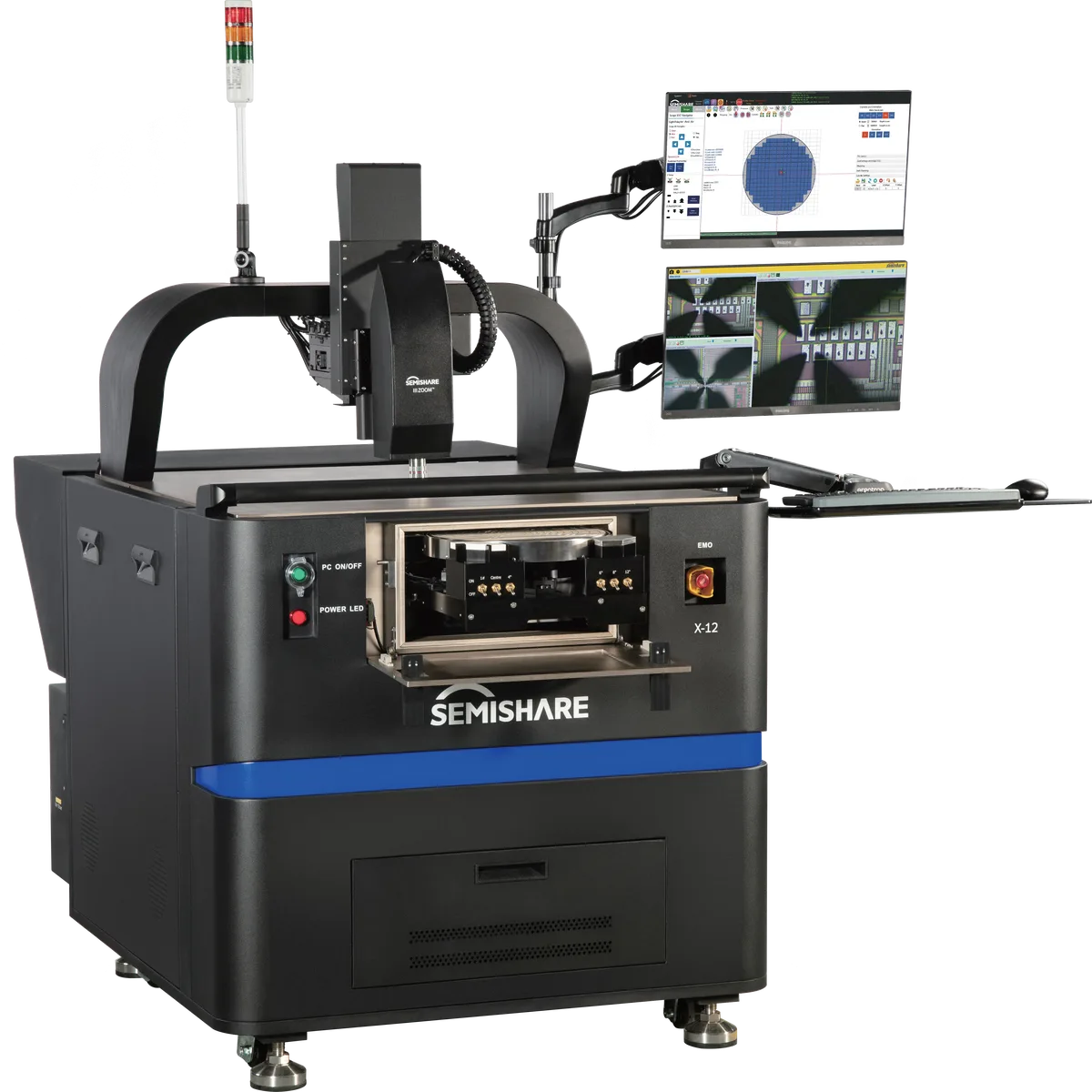
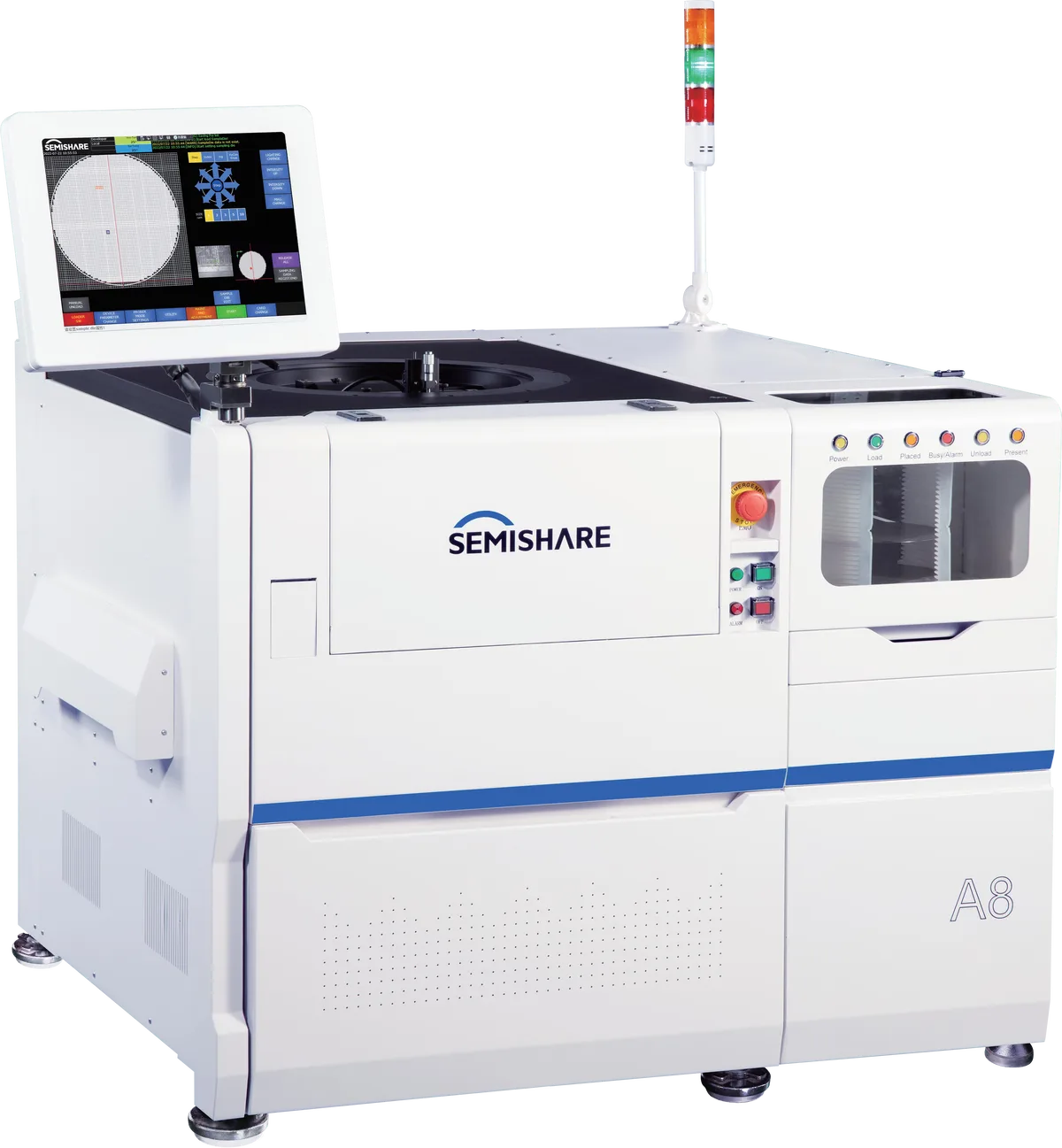
Start with your measurement
Application paths
Temperature environment and signal type set the platform requirements before automation choices do.
US & Canada procurement
A domestic procurement path for configured equipment
NineScrolls provides US & Canada procurement, import, and support for SEMISHARE wafer probe stations.
What a probe station is made of
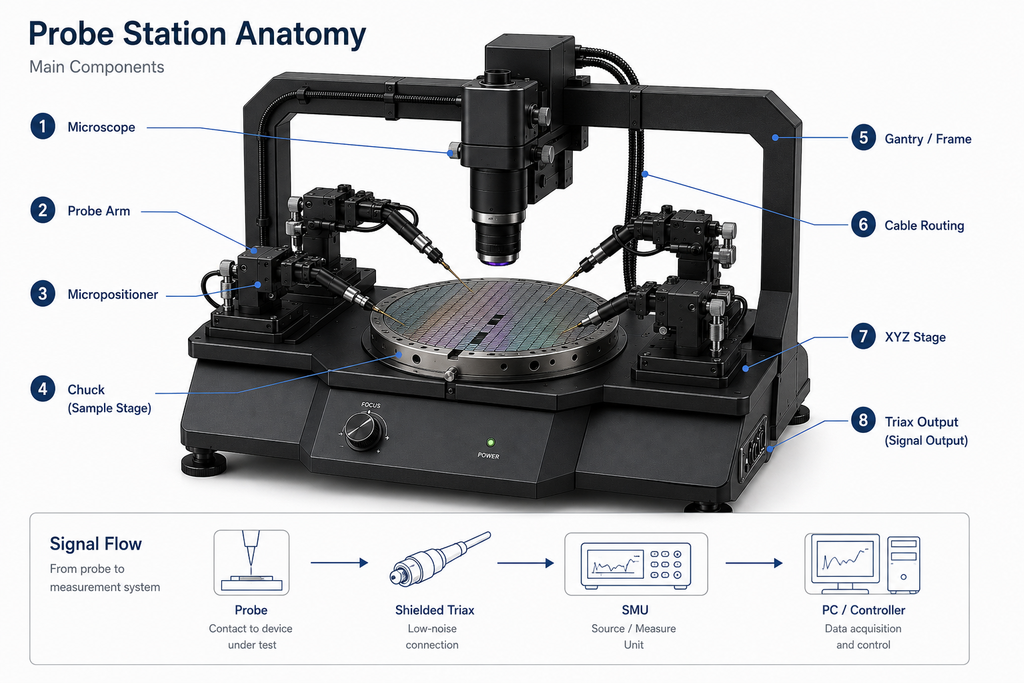
Every probe station combines four things: a chuck that holds and often heats or cools the sample, micropositioners that move probe tips with micron-level precision, a microscope or camera, and shielded connections that carry the signal to instruments. Automation, vacuum enclosures, RF calibration, and fiber alignment build on that core.
Manual, semi-automatic, or fully automatic
This single choice moves the price the most, and the right answer is set by how many measurements you run — not by how advanced the lab wants to feel.
| Aspect | Manual | Semi-automatic | Fully automatic |
|---|---|---|---|
| Positioning | Hand-driven micropositioners | Motorized stage with manual probe setup | Programmed wafer mapping and alignment |
| Workflow | Device-by-device measurement | Recipe-assisted multi-site stepping | Automated wafer-map execution |
| Best fit | Exploratory research, teaching, flexible setups | R&D characterization and repeated measurements | High-volume mapping and production-style test |
| Operator involvement | Continuous hands-on control | Setup plus supervision | Exception handling and run oversight |
FAQ
Frequently asked questions
What does a wafer probe station do?
A probe station holds a wafer or die flat and stable while fine-tipped probes land on bond pads or on-wafer device terminals, carrying electrical or optical signals out to measurement instruments. It combines a chuck, micropositioners, optics, and shielded signal paths.
Manual or semi-automatic probe station — which should a university lab buy?
If a group characterizes a handful of devices per sample, a manual analytical station is usually the correct tool. Semi-automatic stations earn their cost for repeated multi-site measurements, where recipe-assisted stepping improves consistency and operator efficiency.
Can I buy a probe station in the US through NineScrolls?
Yes. NineScrolls is a US-based research equipment supplier for probe stations. NineScrolls provides US & Canada procurement, import, and support for SEMISHARE wafer probe stations. Request a quote with your sample size, signal type, temperature range, and expected measurement volume.
What information do you need for a probe station quote?
Largest sample size, measurement type (DC, RF, or optical), temperature requirements, and expected measurement volume. We confirm the exact configuration with the manufacturer before quoting.
Selection guides
Read before you specify
Four guides cover the decisions that set a probe station's configuration and its price, from the measurement environment down to the paperwork a funded purchase has to produce.
Types of wafer probe stations
Six measurement environments — ambient, cryogenic, high-temperature, vacuum, RF and microwave, silicon photonics — and the hardware signatures that separate them.
Choosing a wafer probe station for a university lab
What to check before buying: chuck, thermal range, probe arms, shielding, and the measurements the station has to support.
Cryogenic probe station buyer’s guide
Base temperature, vibration, vacuum, and cooldown compared across architectures, then turned into an acceptance-ready RFQ.
Probe station procurement on NSF and DOE funding
Quote requirements, sole-source justification, cost analysis, and the documentation that survives an audit.
Ready to spec a probe station?
Tell us your sample size, signal type, and temperature needs — we confirm the configuration with the manufacturer and quote with US delivery and support included.