Spin Coating Control
High-speed coater modules support programmable spin profiles, acceleration control, dispense timing, and repeatable coating thickness for research lithography.
Up to 8000 rpmRecipe controlResist dispense
Equipment Platform
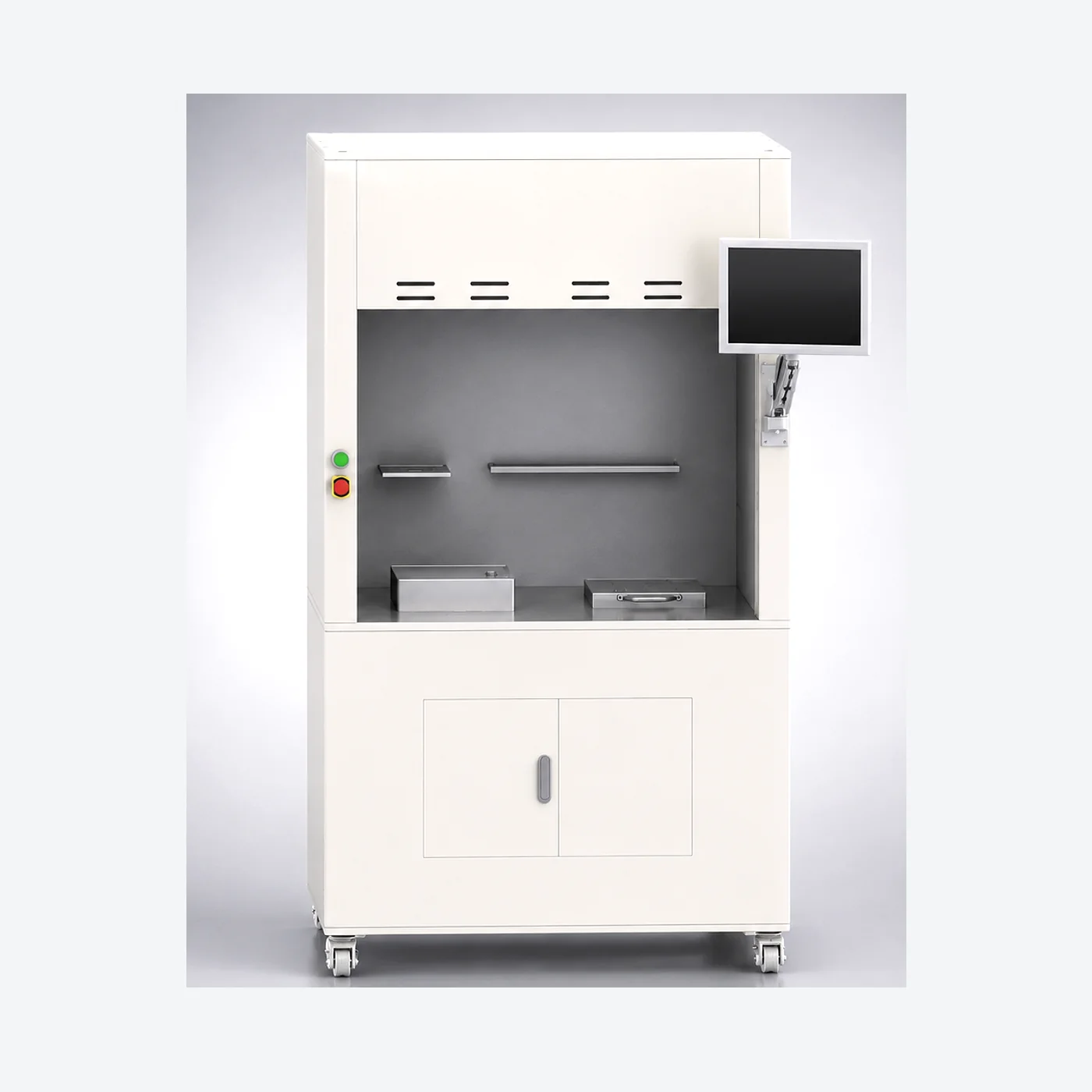
Modular spin coating, development, hotplate, HMDS, and EBR process control for repeatable photolithography workflows from research wafers to pilot-line substrates.
Wafer Size
Pieces to 12 in
Coater Speed
8000 rpm
Hotplate
RT to 200 °C
Developer Speed
5000 rpm
Process-first configuration
Coater/developer selection starts with substrate size, resist chemistry, target film thickness, spin profile, dispense strategy, bake queue time, developer method, EBR need, and whether the workflow needs integrated coat, develop, and hotplate modules rather than manual transfers.
High-speed coater modules support programmable spin profiles, acceleration control, dispense timing, and repeatable coating thickness for research lithography.
Developer modules support puddle, spray, or multi-step development strategies with developer lines, DI rinse, and process timing control.
Integrated hotplate modules reduce uncontrolled coat-to-bake and exposure-to-PEB delays that can drive CD variation and process drift.
Core Process Windows
Spin speed, acceleration, dispense position, resist viscosity, cup airflow, and EBR tuning all contribute to repeatable film-thickness uniformity.
Integrated coat, develop, and hotplate recipes reduce operator-dependent variation across spin steps, bake timing, development, rinse, and dry sequences.
Track layouts can be selected around coater count, developer count, hotplate capacity, resist lines, developer chemistry, and throughput needs.
Technical Specifications
Review core platform capabilities for initial process planning. Our engineering team will confirm the final module layout, chemical lines, chuck set, EBR, hotplate, and environmental controls during quote review.
Applications
Photoresist coating
HMDS priming
Developer processing
Lift-off preparation
Thick film processing
Edge bead removal
Research evidence
Related Resources
Resource
Track system architecture, module configurations, uniformity optimization, hotplate integration, and equipment selection
Resource
Spin coating physics, resist selection, development optimization, defects, and process troubleshooting
Resource
Substrate preparation, HMDS, coating, bake, exposure, development, etch transfer, and resist strip integration
FAQ
Choose a coater/developer track when repeatable recipes, controlled coat-to-bake timing, developer integration, hotplate modules, EBR, and operator-independent uniformity matter more than single-step manual coating.
The platform can be configured around coater, developer, hotplate, dispense, EBR, and environmental-control modules. Final module count and layout should be selected around substrate size, resist family, developer chemistry, throughput, and cleanroom workflow.
Core specifications include pieces to 12 inch wafers, coater speed up to 8000 rpm +/-1 rpm, developer speed up to 5000 rpm +/-1 rpm, RT to 200 °C hotplate operation, 2 resist lines, 2 developer lines plus DI, and an approx. 1.0m x 0.8m footprint.
Request a quote
Share your substrate sizes, resist family, target thickness, developer chemistry, bake steps, EBR needs, module count, and throughput goals.